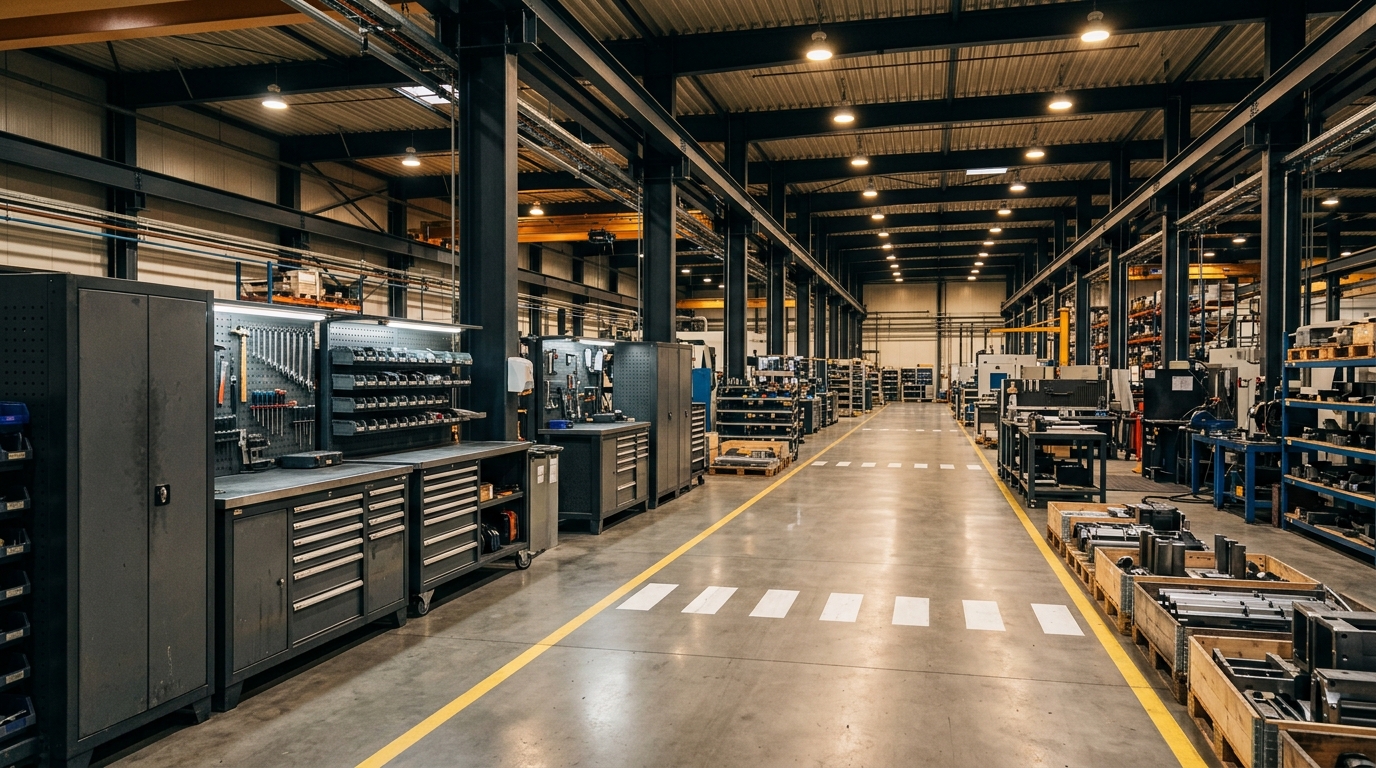
Industrial manufacturing since 1998
SAFEWELL has been building industrial tool storage programs since 1998, with long-term experience across workshop and export projects.
Start from the workspace, not the SKU. SAFEWELL helps buyers map auto repair bays, industrial maintenance teams, manufacturing cells, dealer assortments, and custom OEM / ODM programs to the right cabinet, cart, workstation, and export-ready configuration.
Pick the operating environment first, then move into recommended storage logic and product starting points.
Fast-access rolling storage for service bays, technician tools, and daily turnover.
MRO-friendly cabinets and workstations for plant uptime, lock control, and spare tools.
Line-side workbench systems and standardized storage for repeatable production cells.
Assortment planning, showroom-ready mixes, and export support for distributors.
Start with the working environment first. These routes make it easier to compare workshop, maintenance, manufacturing, dealer, and custom project needs before moving into product details.
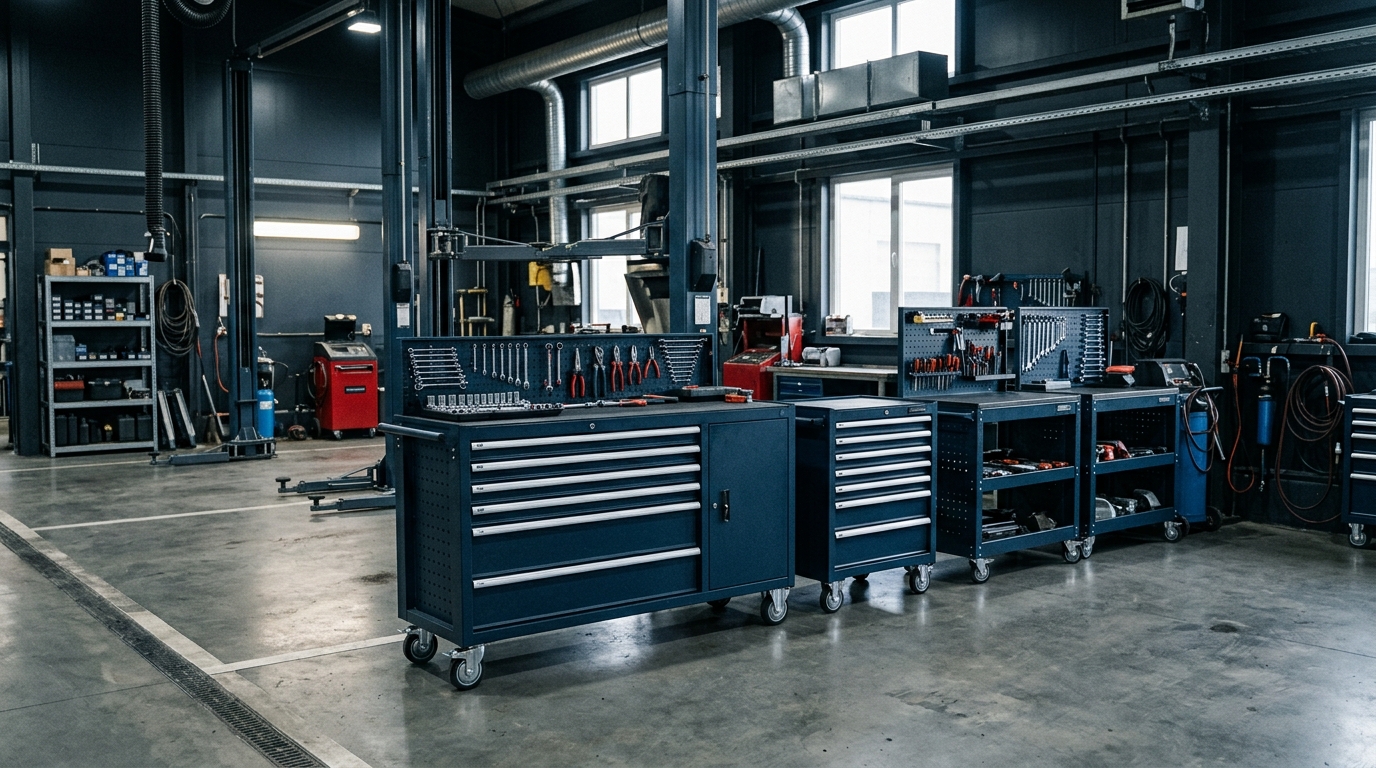
Rolling cabinets, service carts, and quick-access benches for busy repair bays.
Workshop Layouts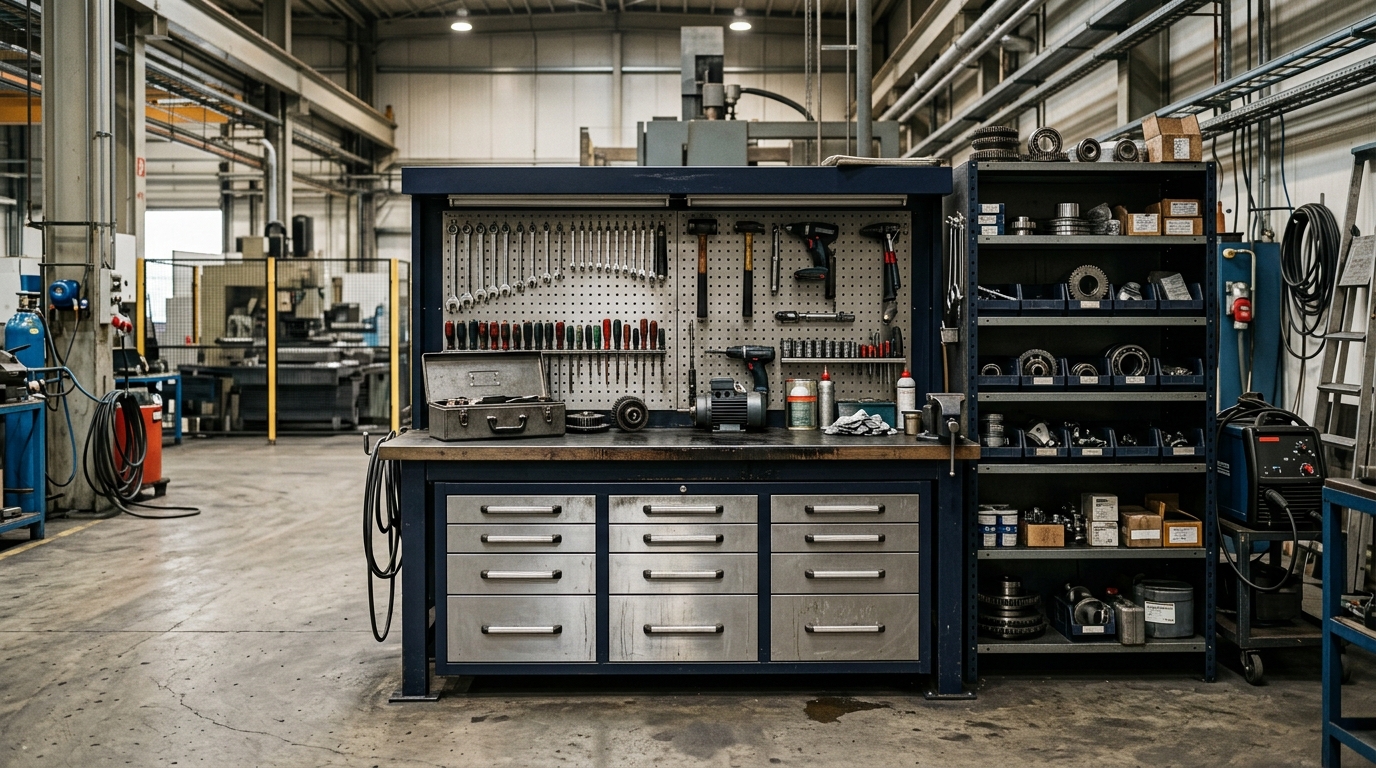
Lockable stations and stable bench storage for MRO teams, utilities, and plant support.
MRO Reliability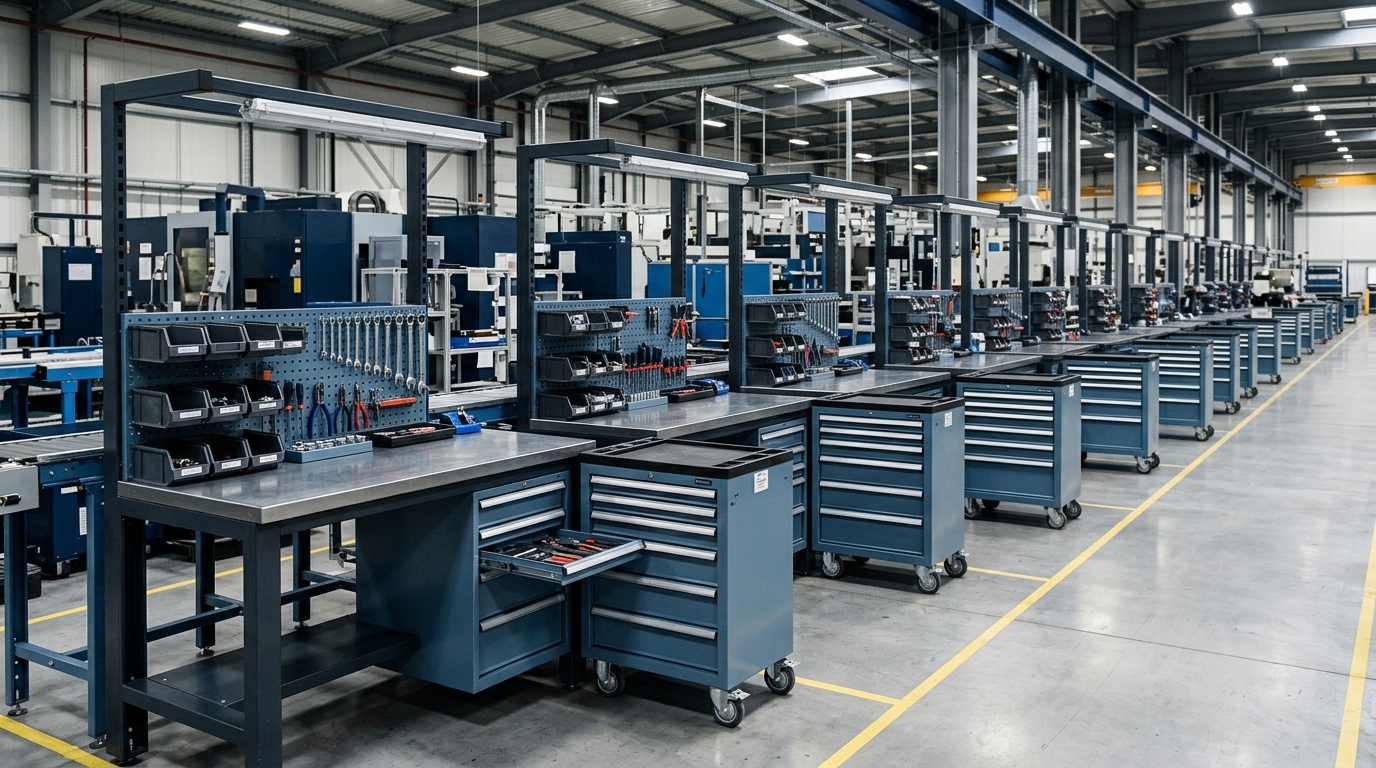
Line-side workbenches and coordinated cabinets for repeatable production cells.
Production Cells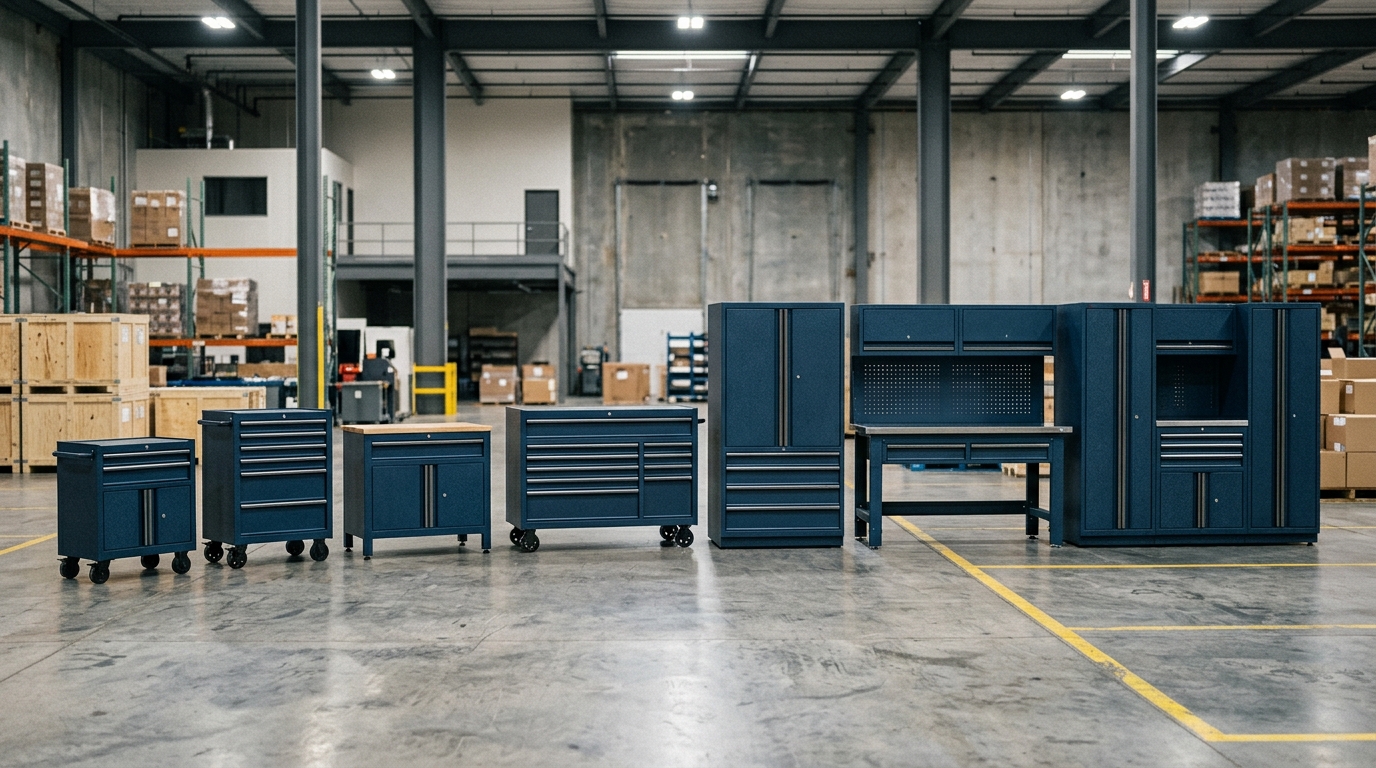
Display-friendly assortment planning, channel positioning, and export-ready mixes.
Distribution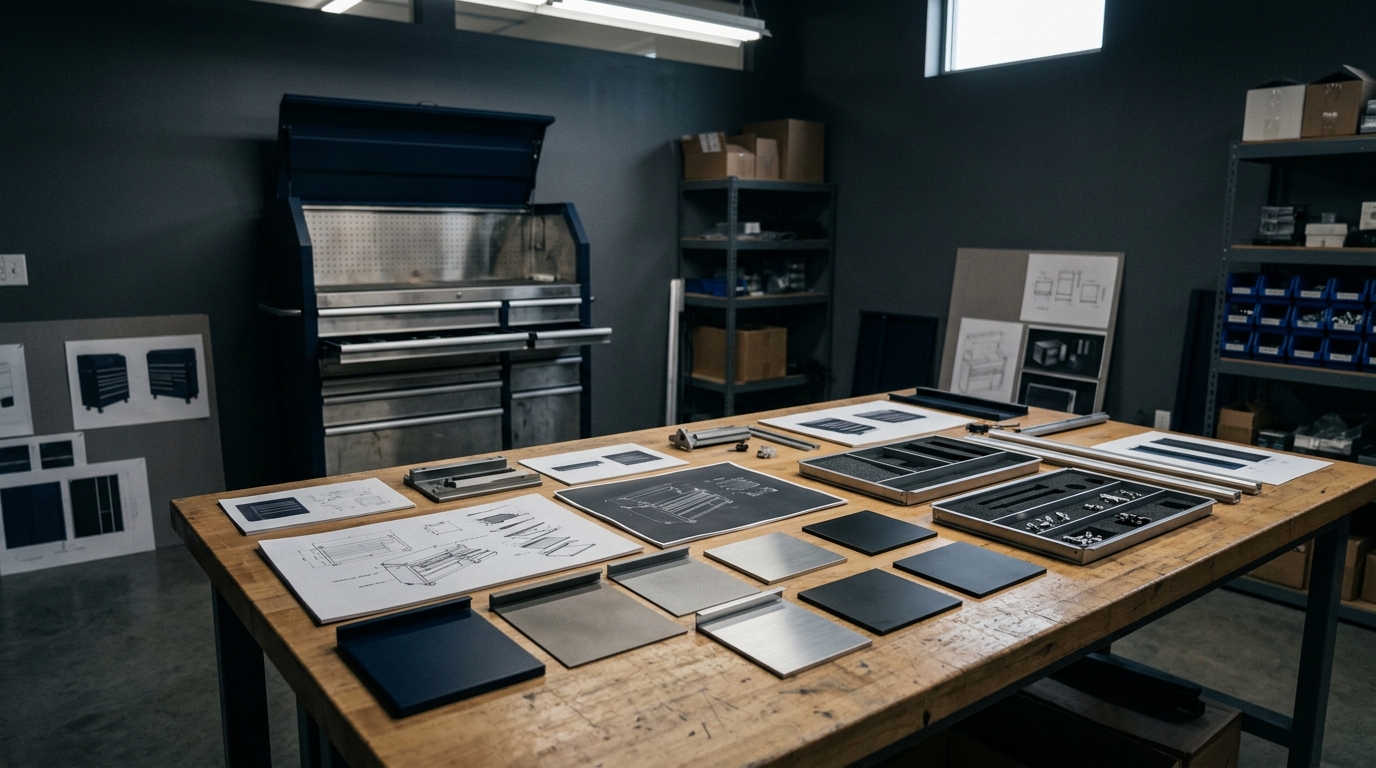
Move into OEM / ODM when you need branding, packaging, sizing, or feature changes.
OEM / ODM BridgeIf you are comparing suppliers, these points quickly show where SAFEWELL fits: long manufacturing history, scenario-based planning, OEM / ODM flexibility, engineering support, quality control, and export execution.
SAFEWELL has been building industrial tool storage programs since 1998, with long-term experience across workshop and export projects.
The page is organized around auto repair, maintenance, manufacturing, dealer programs, and custom projects so it is easier to match products to real working environments.
If a standard model is close but not exact, SAFEWELL can continue the discussion into branding, packaging, size, and configuration changes.
SAFEWELL is positioned for customers who care about structure, functionality, and long-term supply fit, not only catalog appearance.
Incoming, in-process, functional, and outgoing checks are presented as part of normal project execution rather than as an afterthought.
The project language consistently reflects export supply, documentation, and overseas order coordination.
Repair environments need fast retrieval, clean drawer zoning, and mobility between technicians. For auto repair tool storage projects, the best layouts usually combine a main rolling cabinet with a lighter service cart or compact bench for overflow tools, testers, and consumables.
Auto repair workshops that need technician-owned storage, fast bay turnover, and daily rolling access.
One main rolling cabinet plus one lighter service cart or compact bench for overflow tools and test gear.
Caster durability, drawer access speed, and whether the storage mix slows down service work.
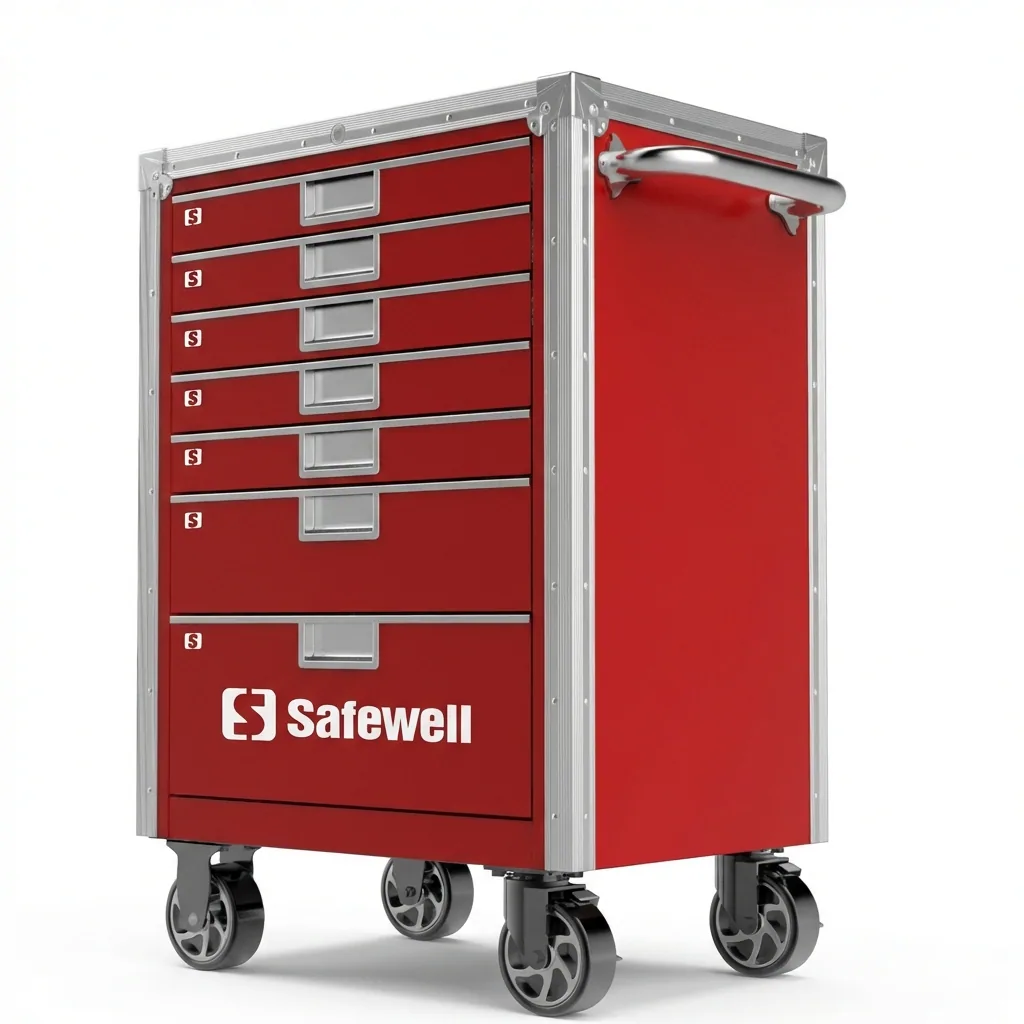
Best as the core technician cabinet for organized drawers, secure locking, and daily-use mobility.
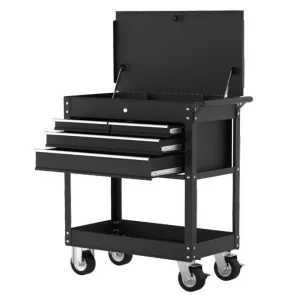
Fits quick-access service work with a compact footprint, mixed storage zones, and smooth movement around the shop.
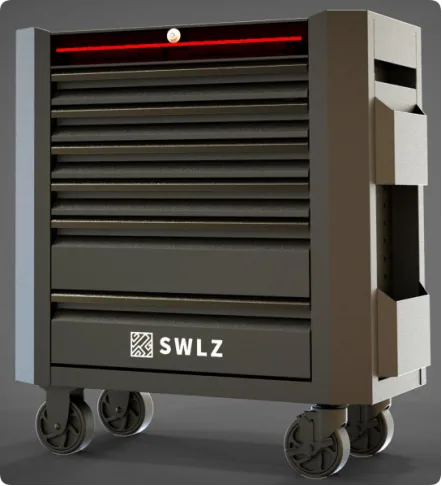
Good for technicians who need a lighter rolling tool cart for high-frequency jobs, shared bays, and overflow tooling.
Industrial maintenance projects are less about display and more about dependable access, lock discipline, and a clear split between tools, parts, and active repair surfaces. Maintenance tool cabinet layouts often mix a compact rolling cabinet with fixed workbenches or pegboard stations near planned intervention zones.
Plant maintenance teams, MRO corners, and utility support areas with shared tools and uptime-critical tasks.
A compact rolling cabinet paired with fixed benches or pegboard stations near planned maintenance zones.
Lock discipline, shared-tool visibility, and whether the work surface is durable enough for repetitive maintenance work.
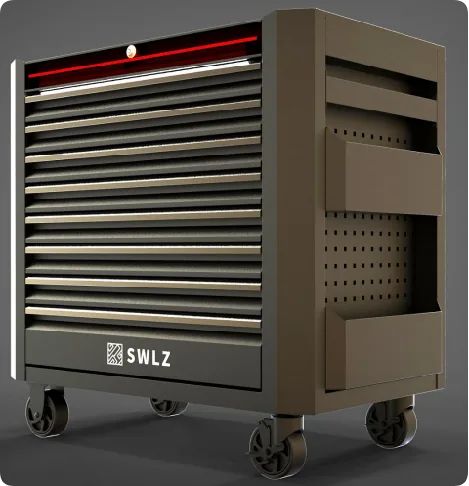
Useful for maintenance teams that need a smaller mobile cabinet without giving up secure drawer-based organization.
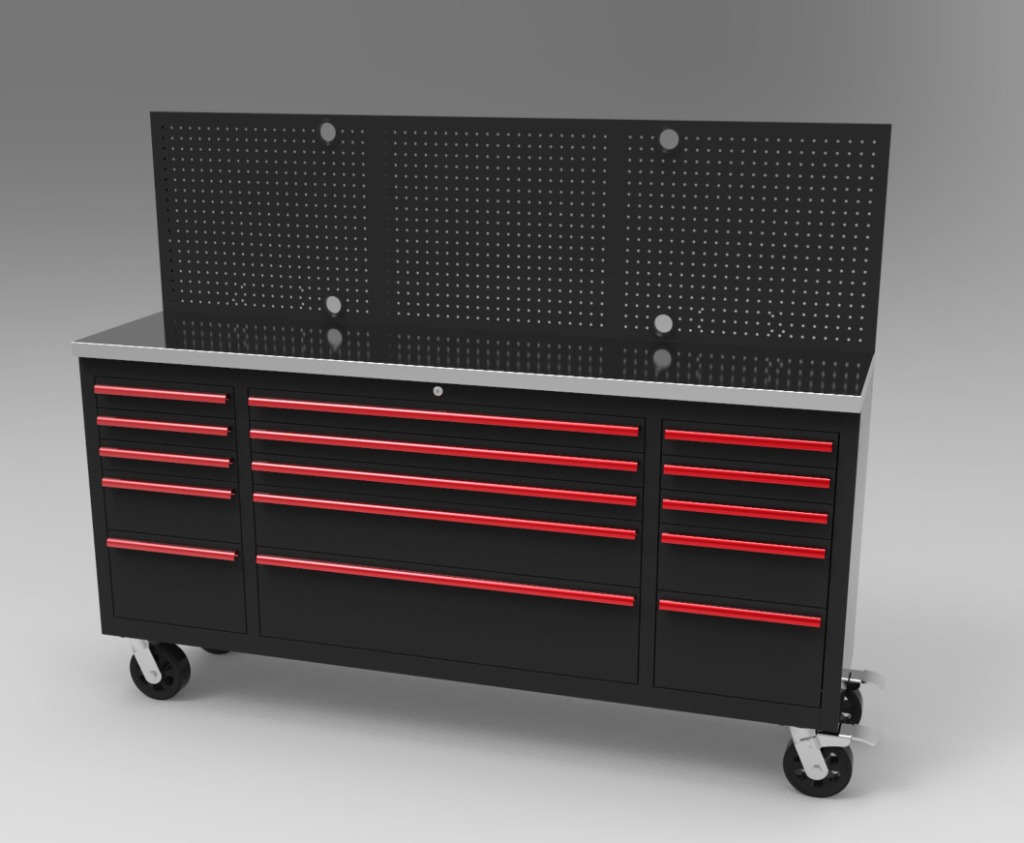
Strong fit for team maintenance corners where visible tool return and bench work matter more than pure mobility.
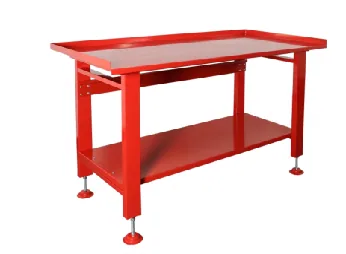
Ideal when teams need a rugged work surface with open lower access for fast parts staging and repetitive maintenance tasks.
Manufacturing tool storage projects benefit from repeatable station logic. Instead of one oversized cabinet, buyers often need a consistent family of workbenches and cabinets that can be repeated across cells, assembly zones, testing islands, or model-specific production lines.
Manufacturing cells, assembly lines, and standardized work areas that need repeatable storage logic across multiple stations.
Repeatable workbench-and-cabinet families, with a central flagship station only where higher-density control is justified.
Station repeatability, available surface area, and how well the storage system fits cross-cell standardization.
Works well for production cells that need powered worktops, organized drawers, and a more complete bench-like footprint.
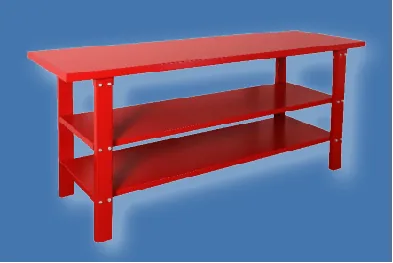
A strong option for line-side work where surface area, open access, and standardized operator organization matter.
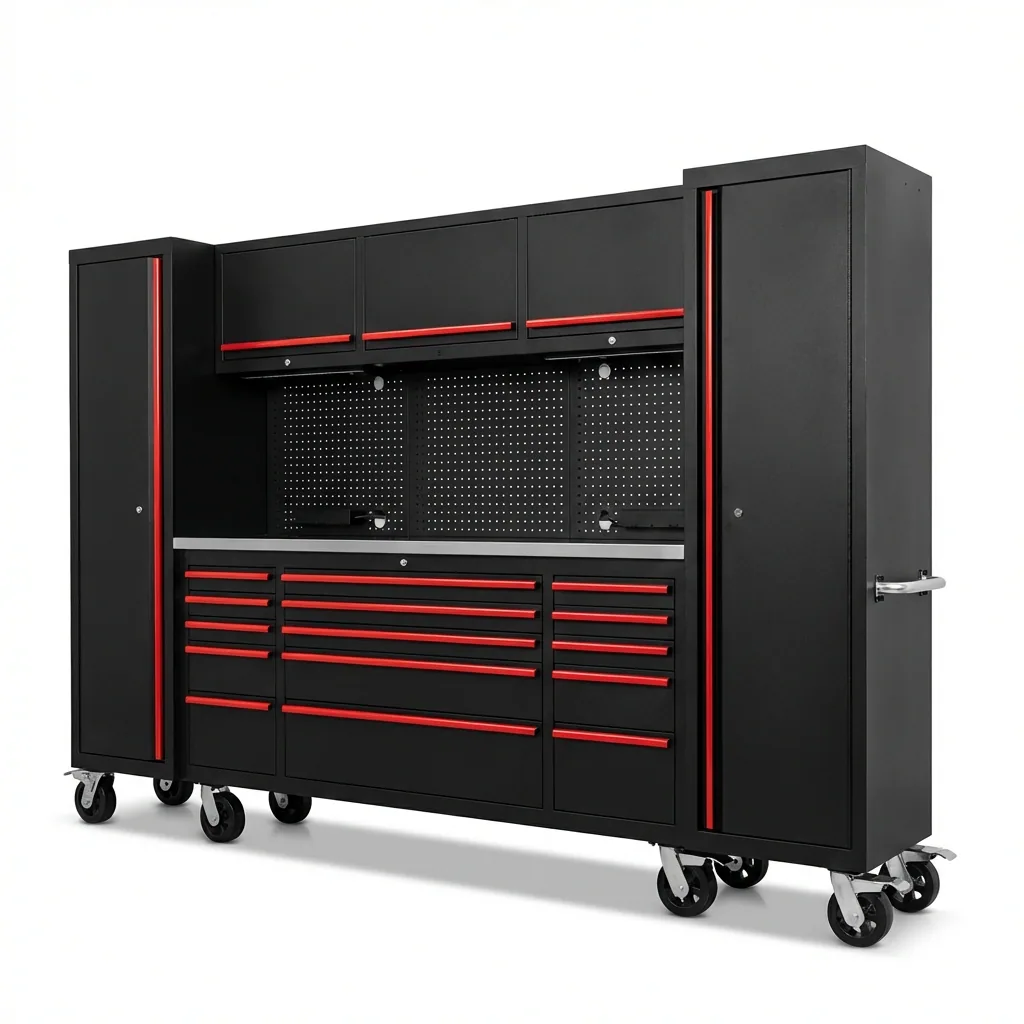
Best for central stations, advanced assembly cells, and high-density tool control where maximum storage is justified.
Distributors and dealer buyers usually need more than one SKU. The real task is building an assortment that covers opening price points, statement products, and dependable volume lines while keeping visual coherence for showrooms, catalogs, and channel presentations.
Distributors, dealer buyers, and channel teams building a balanced product story across showroom, catalog, and quote use cases.
One statement model, one dependable mid-range line, and one workstation hero to build a clearer assortment ladder.
Assortment logic, presentation consistency, and whether the range will translate well into channel selling materials.
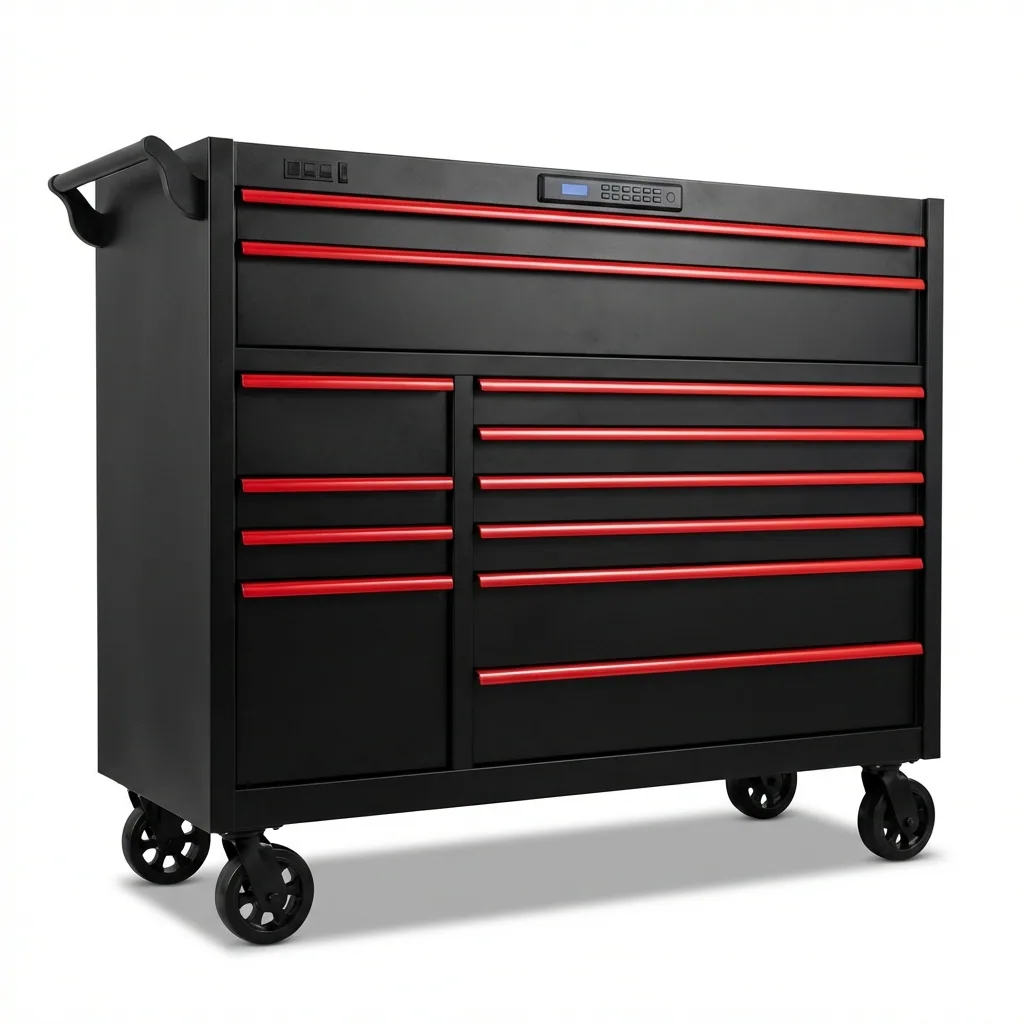
A premium, technology-forward cabinet that helps dealers present an upgraded range and differentiate higher-value offers.
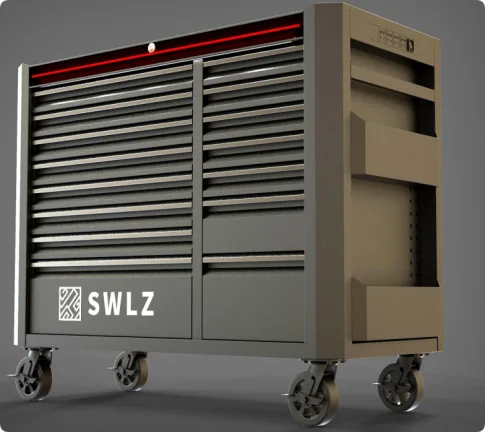
A solid middle range anchor for dealers who need a strong cabinet story without jumping to flagship-level station systems.
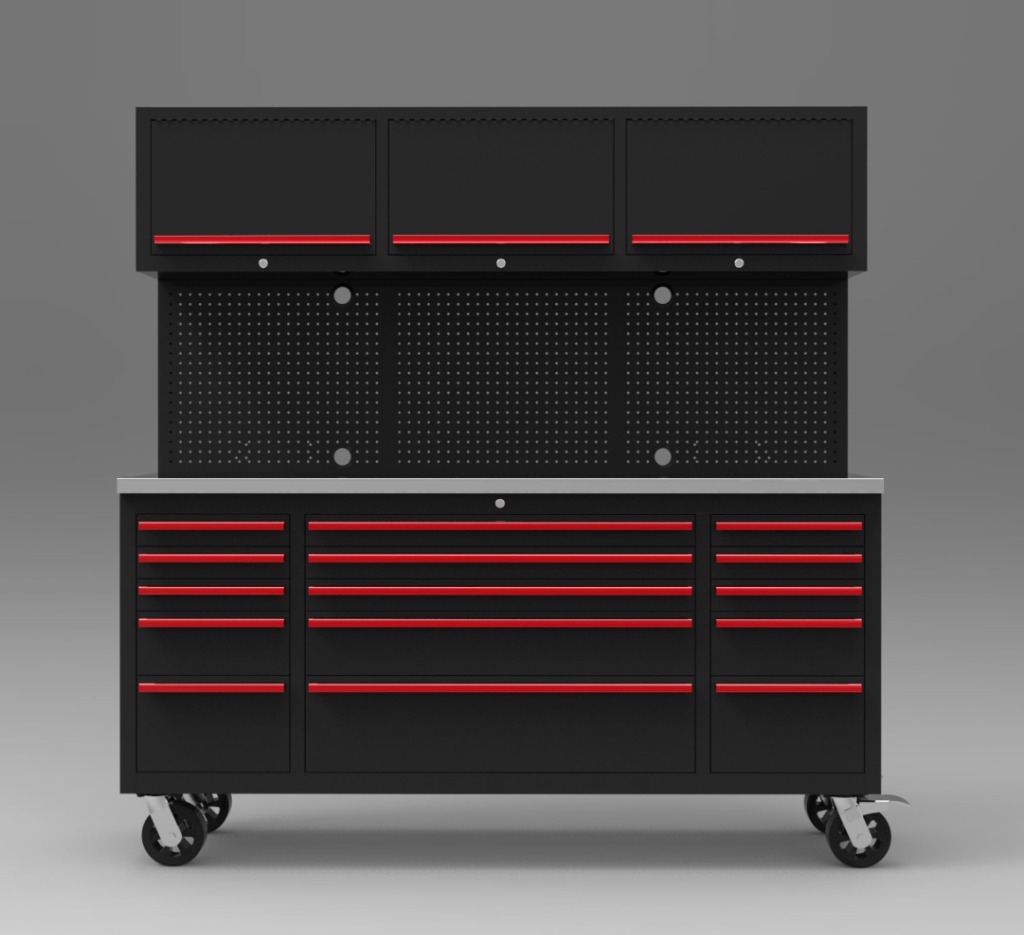
Useful as a high-impact showroom or catalog hero that shows the dealer program can scale beyond single cabinets.
Some buyers start from application needs and then realize they also need branding, market power standards, packaging changes, structure updates, or a different product mix. That is usually the point where the discussion shifts naturally into SAFEWELL's OEM / ODM workflow.
Buyers who already know they need branding, packaging, dimension, or configuration changes beyond a standard product mix.
Start from the nearest proven platform first, then define the exact OEM / ODM changes that are commercially necessary.
Lead time, scope control, and whether a requested change really needs custom development or can stay platform-based.
Useful when the custom program starts from a proven mid-size rolling cabinet with brand-level finish and accessory changes.
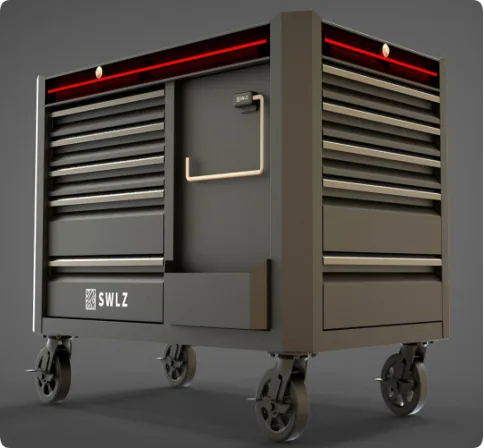
Fits programs that need a wider cabinet profile, more dense drawer storage, or a stronger premium presentation.
A practical starting platform for custom workstation programs that need visible organization, modularity, and stronger brand storytelling.
The fastest quote conversations happen when buyers arrive with a clear scenario, preferred product family, estimated quantity, destination market, and whether the project needs only selection help or true OEM / ODM changes.
Before moving into pricing and samples, most teams need to align on product mix, timing, quality expectations, and shipping details. These four points make that conversation easier.
Map the job first: rolling cabinet for ownership, service cart for movement, workstation for repeat tasks, or a combined system for higher-value projects.
Existing platforms move faster. True custom changes need extra time for sample confirmation, finish approval, packaging review, and production scheduling.
For storage products, the real buyer concerns usually live in functional durability, moving components, drawer feel, load behavior, and surface consistency.
Dealer programs and custom orders often need coordinated packaging, labeling, manuals, and destination-market details handled cleanly before shipment.
These articles cover supplier qualification, caster durability, and heavy-duty storage planning. They are here to help buyers go deeper before asking for a quote or sample.
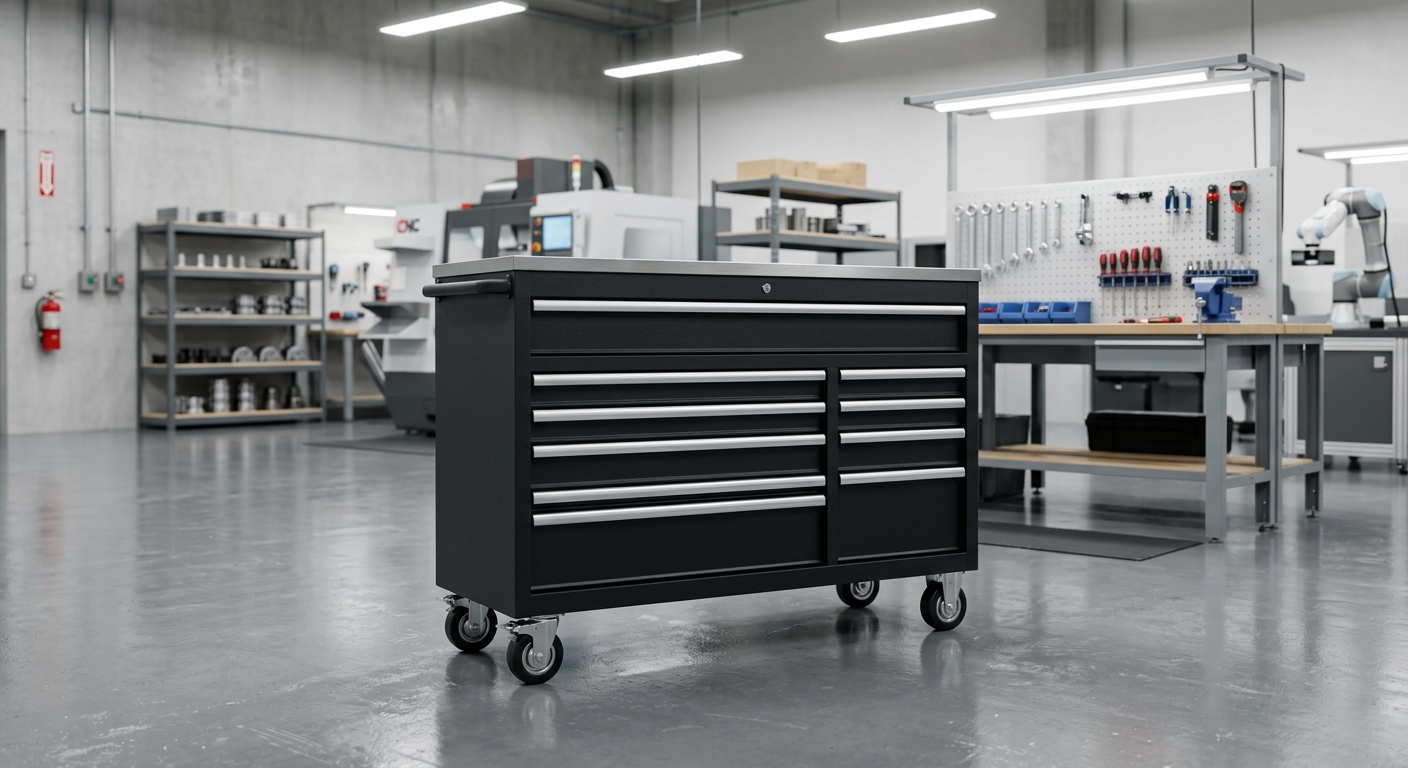
A practical guide to steel gauge, load handling, and supplier-level checks for serious industrial storage buying.
Read Article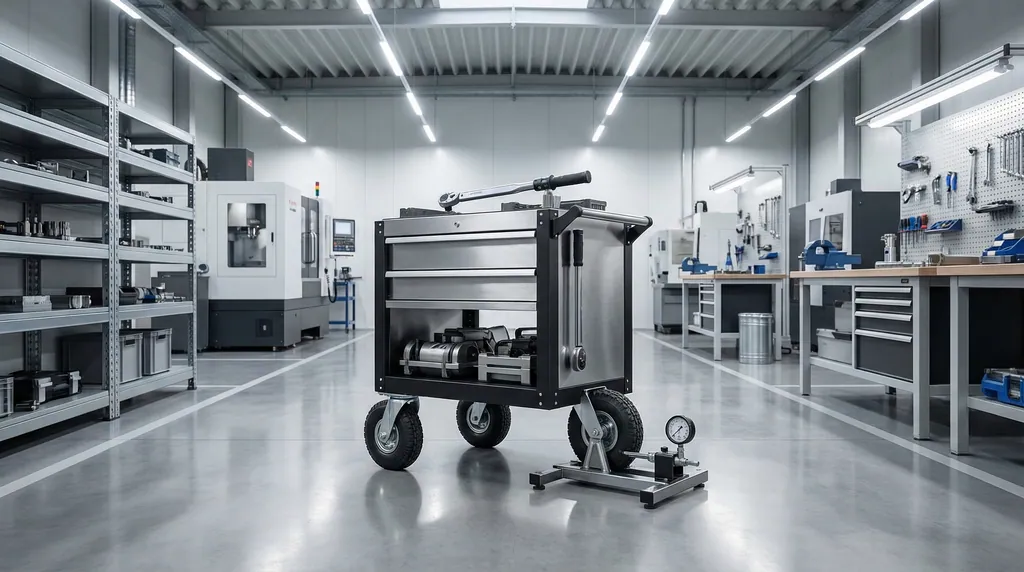
Useful for buyers who care about mobility, wheel material selection, and high-load daily movement performance.
Read Article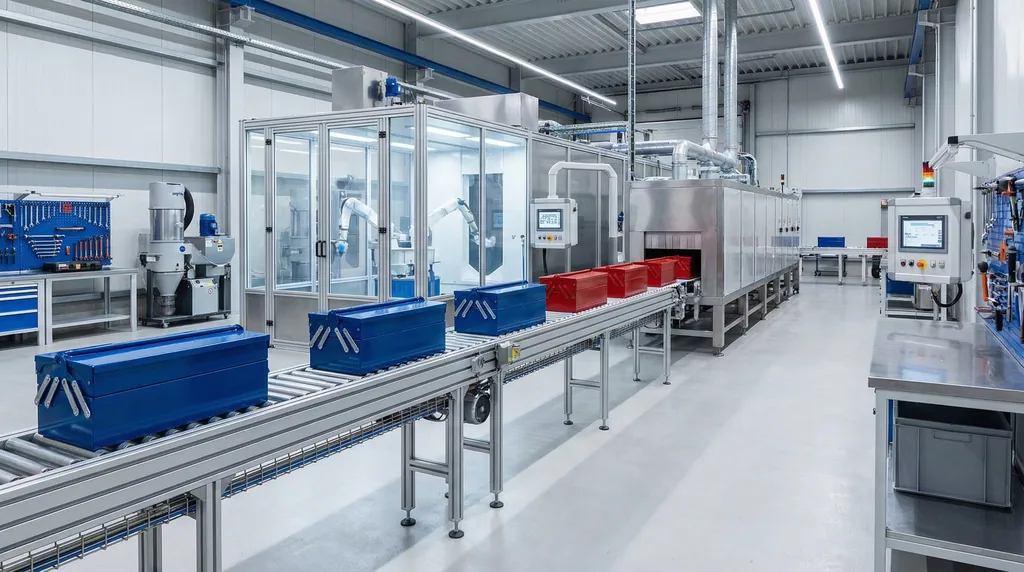
Ideal for importers and distributors who are moving from product selection into deeper factory evaluation.
Read Article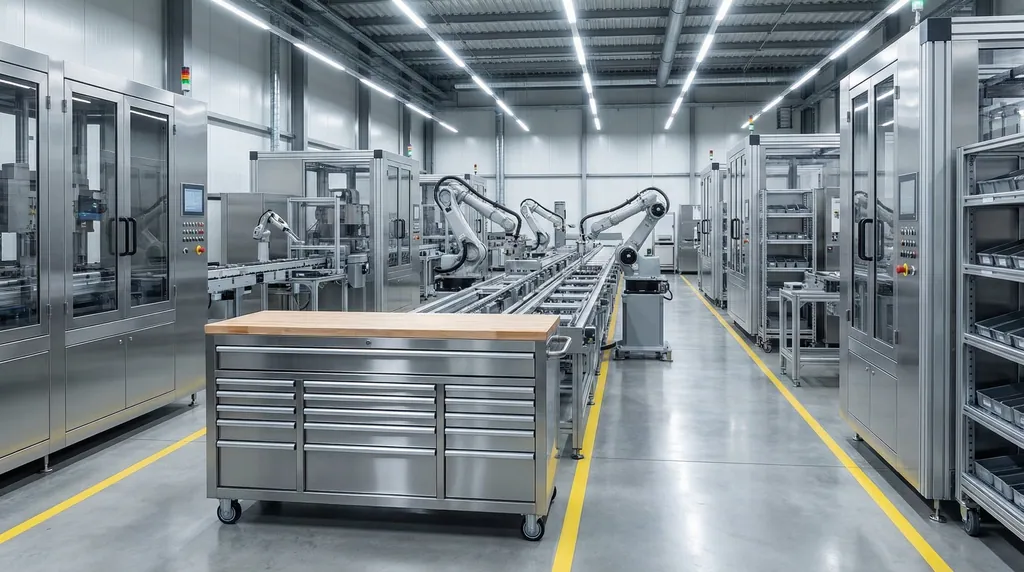
Helps buyers understand what changes need validation when moving a program or replacing an existing supplier.
Read ArticleThese answers cover the questions that usually come up first, especially when a buyer is still deciding between a standard recommendation and a more customized project discussion.
Choose the route that matches your workspace first. The sections are organized by application so you can decide by operating environment before selecting a specific cabinet, cart, or workstation.
Yes. Many workshop and manufacturing projects need a coordinated mix. SAFEWELL can help map the right balance between rolling storage, fixed benches, and higher-density workstation modules.
Start with the scenario that matches your project. If you already know the request needs logo, finish, packaging, dimensional changes, or market-specific configuration, the custom projects section will direct you into the OEM / ODM workflow.
The most useful starting information is your application scenario, expected quantity, destination market, target timing, and whether the request is standard-product based or needs OEM / ODM changes.
The fastest way to get a useful recommendation is to describe the workspace, the kind of tools involved, and whether you need a stock-based solution or a customized project. We can then point you to the right cabinet, cart, workstation, or OEM / ODM path.