Typical Priorities
- Fast drawer access during diagnostic and service work.
- Stable caster performance under daily movement and high tool weight.
- Visible hand-tool organization for repeat technician routines.
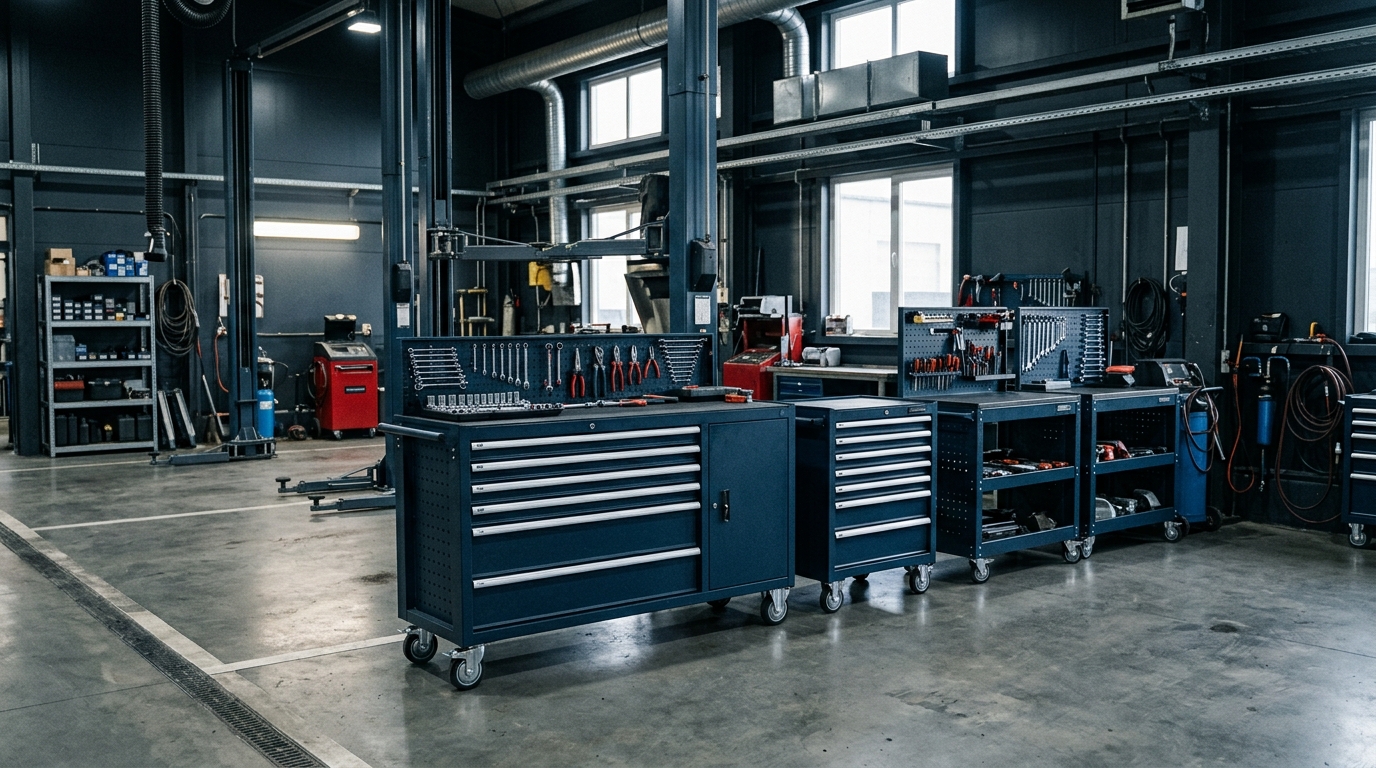
Repair environments need fast retrieval, clean drawer zoning, and mobility between technicians. The strongest starting layout is usually a main rolling cabinet supported by a lighter service cart or compact bench for overflow tools, testers, and consumables.
These are the details buyers usually need to lock before moving the discussion into sampling, pricing, or a broader assortment conversation.
These models match the route well, but the point is not to force one SKU. The goal is to shorten the first discussion by starting from platforms that already fit the scene.
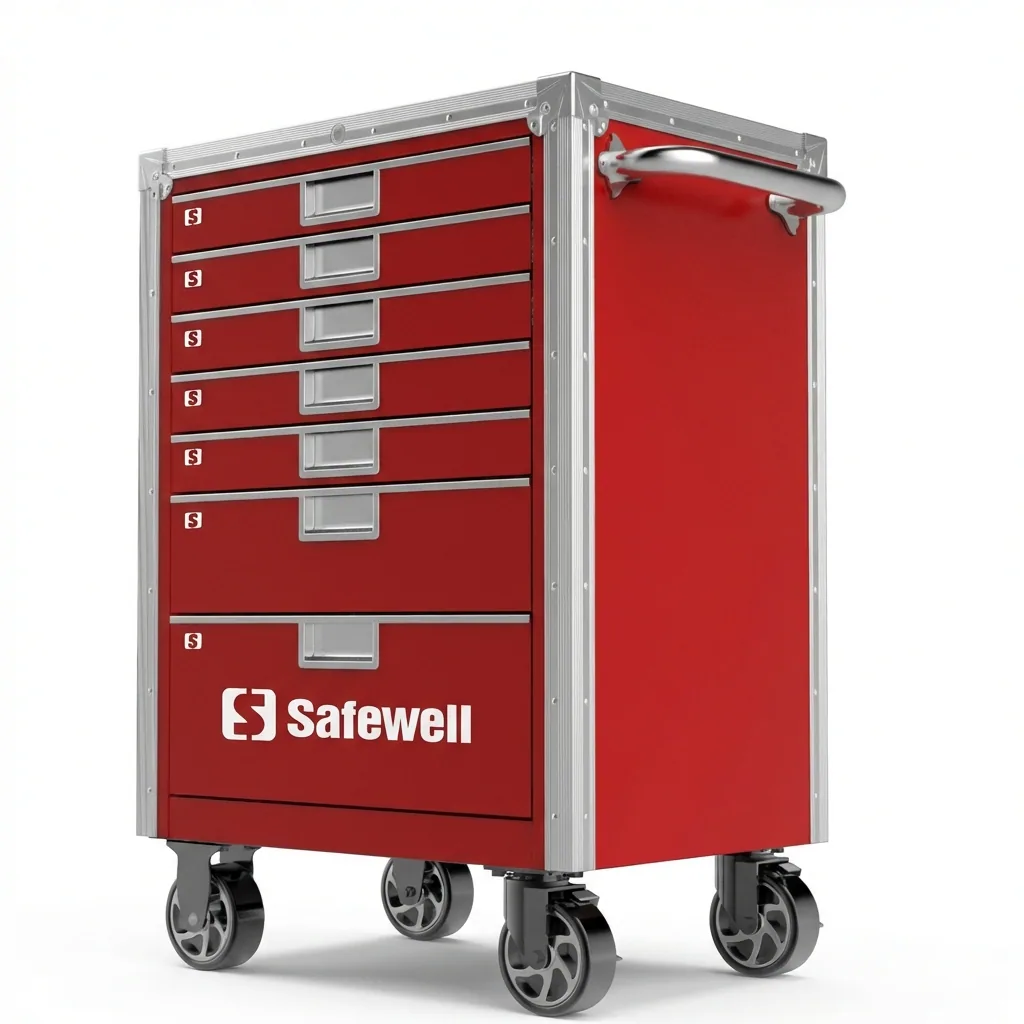
Best as the core technician cabinet for organized drawers, secure locking, and daily-use mobility.
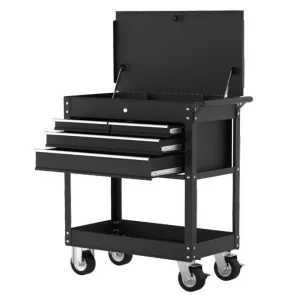
Fits quick-access service work with a compact footprint, mixed storage zones, and smooth movement around the shop.
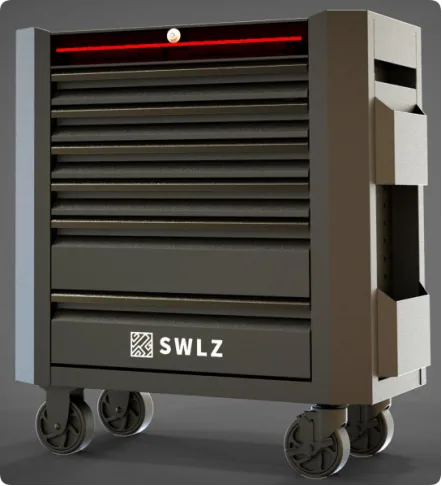
Good for technicians who need a lighter rolling tool cart for high-frequency jobs, shared bays, and overflow tooling.
These supporting reads help buyers go deeper into qualification, supplier control, or project planning without jumping straight into a quote request.
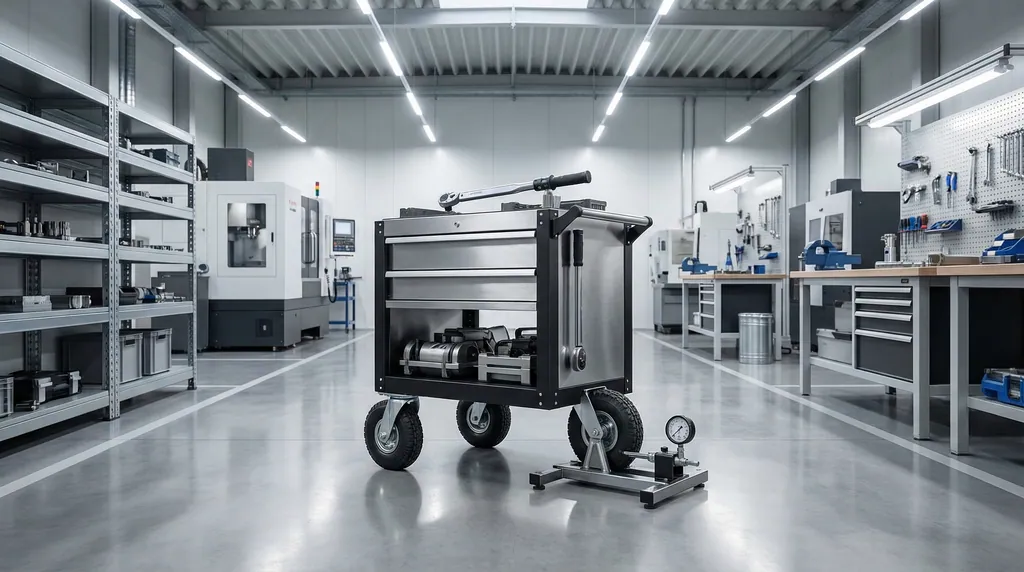
Useful when bay mobility and caster specification are part of the buying discussion.
Read Article
A broader buying guide for teams comparing cabinet, cart, and workstation routes.
Read ArticleIf this route is close but not exact, these pages usually help narrow the decision faster than jumping back to the full catalog.
Plant maintenance teams, MRO corners, and utility support areas with shared tools and uptime-critical tasks.
Application 05Buyers who already know they need branding, packaging, dimension, or configuration changes beyond a standard product mix.
Hub PageCompare all five routes together before you move back into specific product or RFQ discussions.
These are the questions that typically come up before teams decide whether they need a standard recommendation or a more customized proposal.
If technicians stay in one bay, a single cabinet can work. If they move between bays or share quick-access tools, a cabinet-and-cart mix is usually more practical.
Caster durability, wheel material, drawer stability under movement, and handle control matter more than cosmetic add-ons when the cabinet moves every day.
Move into OEM or ODM when branding, packaging, power standards, drawer mix, or accessory scope must match a specific market or channel requirement.
The fastest way to get a useful recommendation is to describe the workspace, expected quantity, destination market, and whether the request stays platform-based or needs OEM and ODM changes.