Typical Priorities
- Branding, color, logo, packaging, and catalog consistency.
- Market-specific lock, caster, outlet, or accessory requirements.
- Starting from an existing platform and adapting it for channel fit.
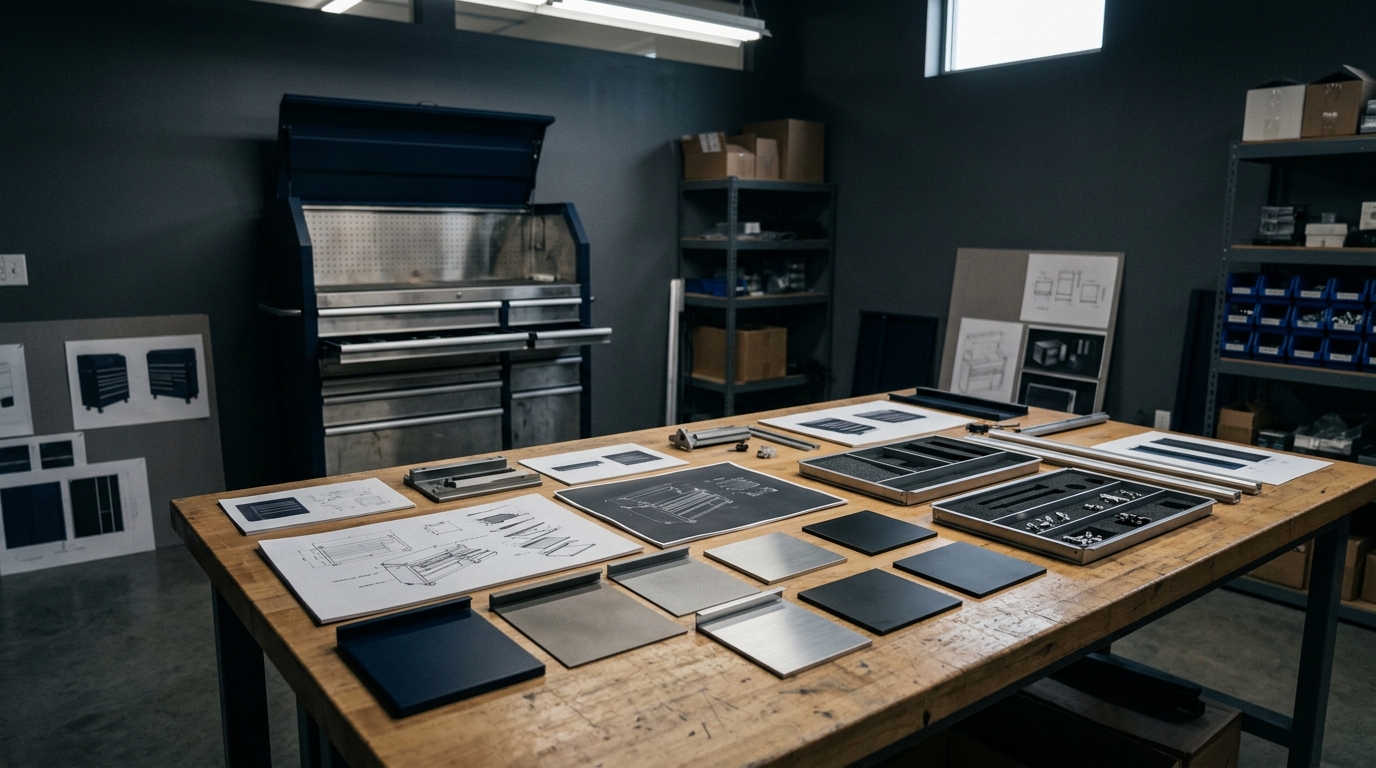
Some buyers start from an application need and then realize they also need branding, market power standards, packaging changes, structure updates, or a different product mix. That is usually the point where the discussion shifts naturally into SAFEWELL's OEM and ODM workflow.
These are the details buyers usually need to lock before moving the discussion into sampling, pricing, or a broader assortment conversation.
These models match the route well, but the point is not to force one SKU. The goal is to shorten the first discussion by starting from platforms that already fit the scene.
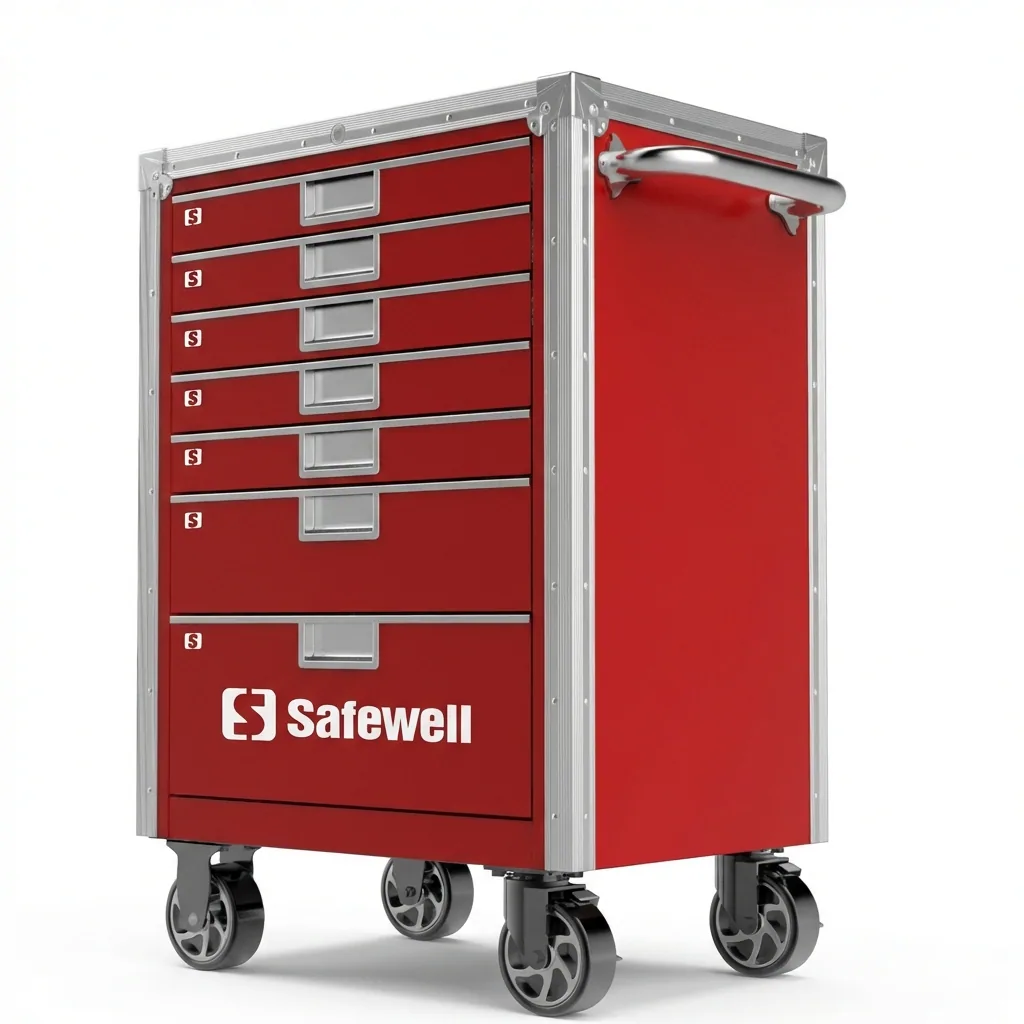
Useful when the custom program starts from a proven mid-size rolling cabinet with brand-level finish and accessory changes.
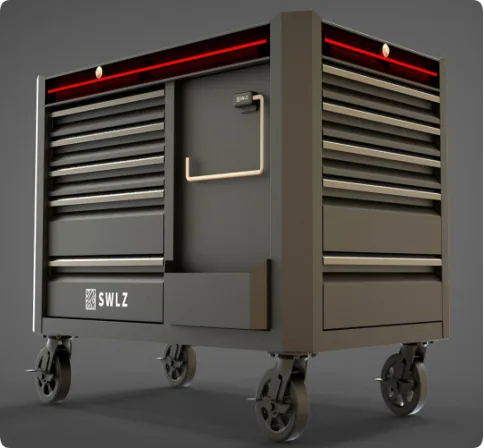
Fits programs that need a wider cabinet profile, denser drawer storage, or a stronger premium presentation.
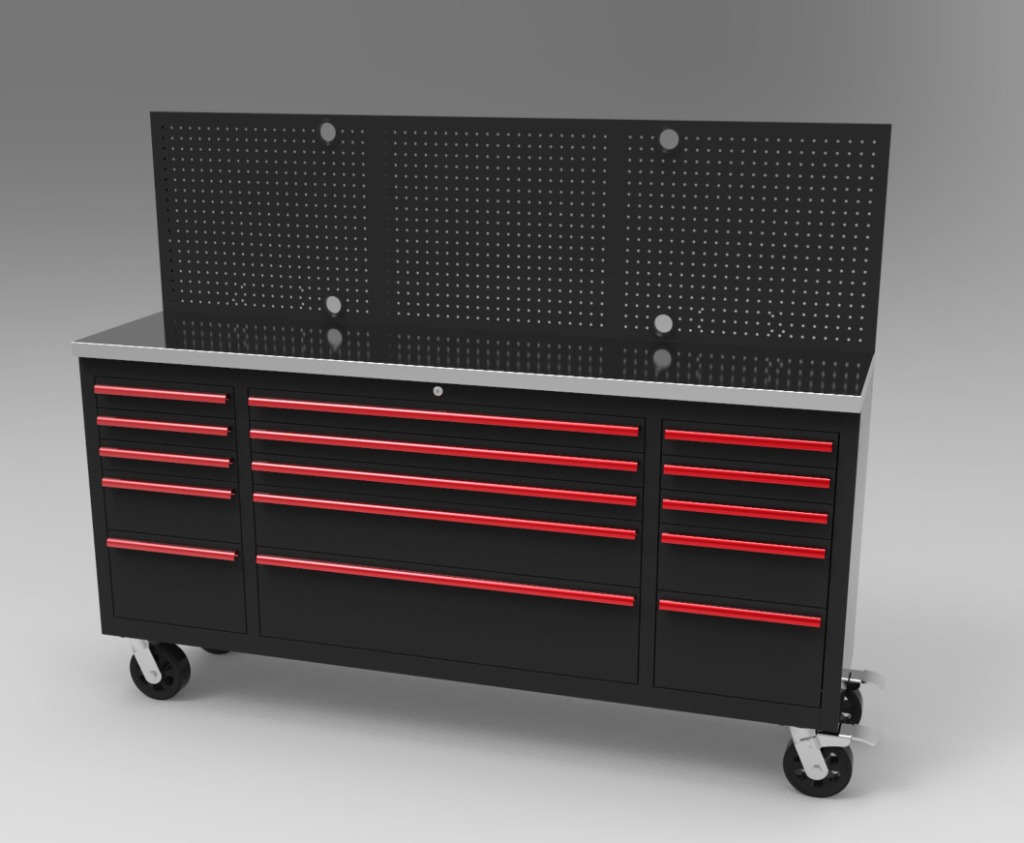
A practical starting platform for custom workstation programs that need visible organization, modularity, and stronger brand storytelling.
These supporting reads help buyers go deeper into qualification, supplier control, or project planning without jumping straight into a quote request.
Useful when a custom project is tied to supplier transition, spare-parts continuity, or phased validation.
Read Article
Helpful when the customization discussion is still in factory-audit and qualification mode.
Read ArticleIf this route is close but not exact, these pages usually help narrow the decision faster than jumping back to the full catalog.
Distributors, dealer buyers, and channel teams building a balanced product story across showroom, catalog, and quote use cases.
Application 01Auto repair workshops that need technician-owned storage, fast bay turnover, and daily rolling access.
Hub PageCompare all five routes together before you move back into specific product or RFQ discussions.
These are the questions that typically come up before teams decide whether they need a standard recommendation or a more customized proposal.
Not always. Many projects can stay platform-based if the changes are limited to branding, finish, accessories, packaging, or power-standard details.
Start with the closest base platform, target market, expected quantity, and the small list of changes that are commercially necessary.
Use it from the start when the buyer already knows the request needs a branded program, structural adjustment, or market-specific configuration outside a standard offer.
The fastest way to get a useful recommendation is to describe the workspace, expected quantity, destination market, and whether the request stays platform-based or needs OEM and ODM changes.